The Chairman of the Cross River Internal Revenue Service, CRIRS, Prince Edwin Okon, has said the new tax law being implemented by the government is aimed at harmonising taxes, reducing multiple levies, and easing the burden on traders and businesses, especially those in the informal sector.
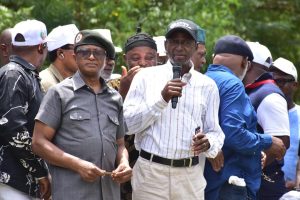
Prince Okon stated this in Calabar during a one-day sensitization programme on the New Tax Law for the Southern Senatorial District.
The programme targeted tax consultants, accountants, tax practitioners, as well as buisness owners which marked the final phase of the sensitization exercise across the three senatorial districts of the State.
The CRIRS Chairman explained that the government had introduced a presumptive tax system to cater for small-scale traders and artisans whose actual income is difficult to determine, particularly those operating in markets and other informal settings.
Prince Okon noted that tax implementation, rather than policy formulation, has often been the major challenge, but expressed confidence in the ongoing reforms being driven at the national level.
He said the harmonization of taxes was a constitutional matter and stressed that government must avoid arbitrary and informal levies imposed through unions or road collections.
He also condemned tax evasion by wealthy individuals, insisting that no one would be granted a tax clearance certificate without fulfilling their obligations.
The CRIRS boss explained that the Cross River State Government had never interfered in the operations of the Service by asking him to waive taxes for any individual, a development he described as commendable.
On road and transport-related levies, Prince Okon said the new tax framework would eliminate multiple ticketing and sticker collections across States.
He disclosed that the Joint Tax Board arrangement was being formalised to introduce a “point of loading and point of discharge” system.
Under the proposed arrangement, he explained that transporters would pay a single ticket at the point of loading, which would cover their movement to the destination State, with the revenue shared among the States and relevant Local Governments involved.
Prince Okon urged stakeholders to be patient with the reforms, noting that the system would not be perfect at inception but would improve over time.
The Chairman maintained that the federal government was working to harmonise and consolidate taxes nationwide, reducing them to about nine major taxes across the Federal, State, and Local Government levels.
He said the Joint Revenue Board, comprising chairmen of Revenue Services from the 36 States and the FCT, alongside agencies such as the Federal Inland Revenue Service, Customs, Immigration, and the Federal Road Safety Corps, would approve key aspects of the new framework at an upcoming board meeting.
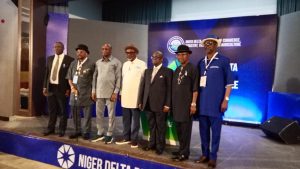
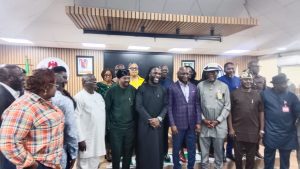
The event was attended by the Accountant-General of Cross River State and other key stakeholders, who were urged to engage openly, ask questions, and contribute to refining the new tax system for better compliance and transparency.