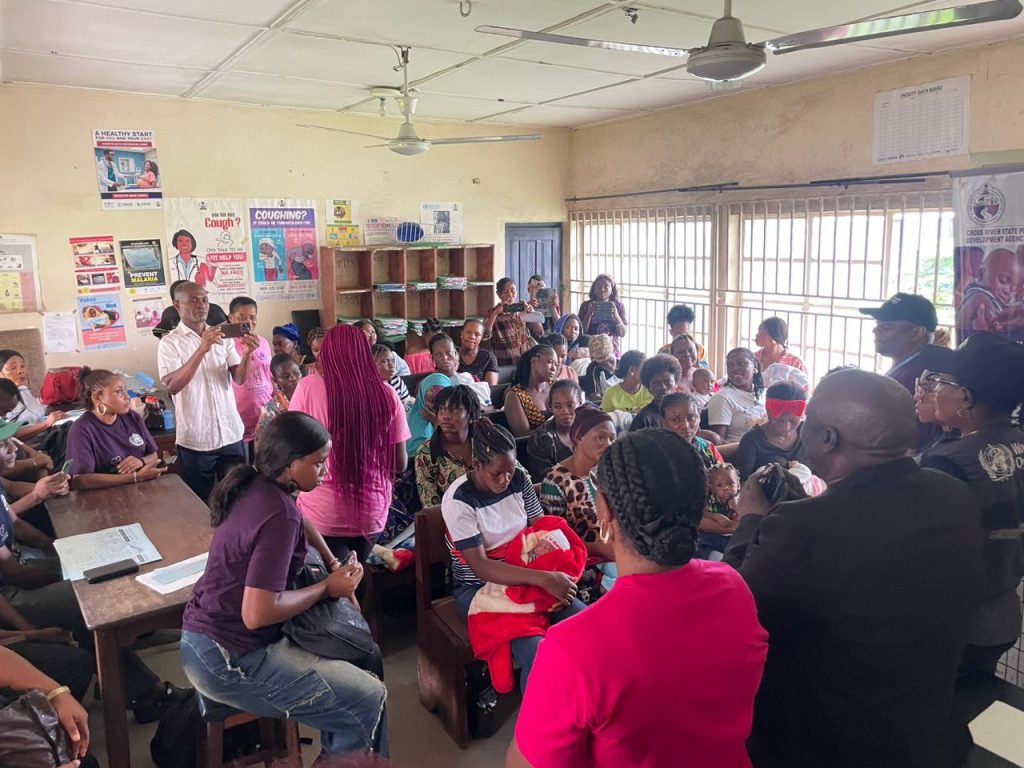
The Cross River State Government has reaffirmed its commitment to improving maternal and child health by encouraging exclusive breastfeeding and building community support systems for nursing mothers.
Speaking during the official flag-off of the 2025 World Breastfeeding Week at the General Hospital, Calabar, the State Commissioner for Health, Doctor Henry Ayuk, urged mothers to prioritise breastfeeding as a vital act of nurturing and national development. This year’s theme is “Prioritise Breastfeeding: Create Sustainable Support Systems,” and the week-long campaign will run from August 1 to 7.
“Breastfeeding is not optional; it is essential. It’s a life-giving act that shapes the future of our children and our society,” Dr. Ayuk stated. “We must put breastfeeding first, before any other thing, because when you feed a child, you feed the future.”
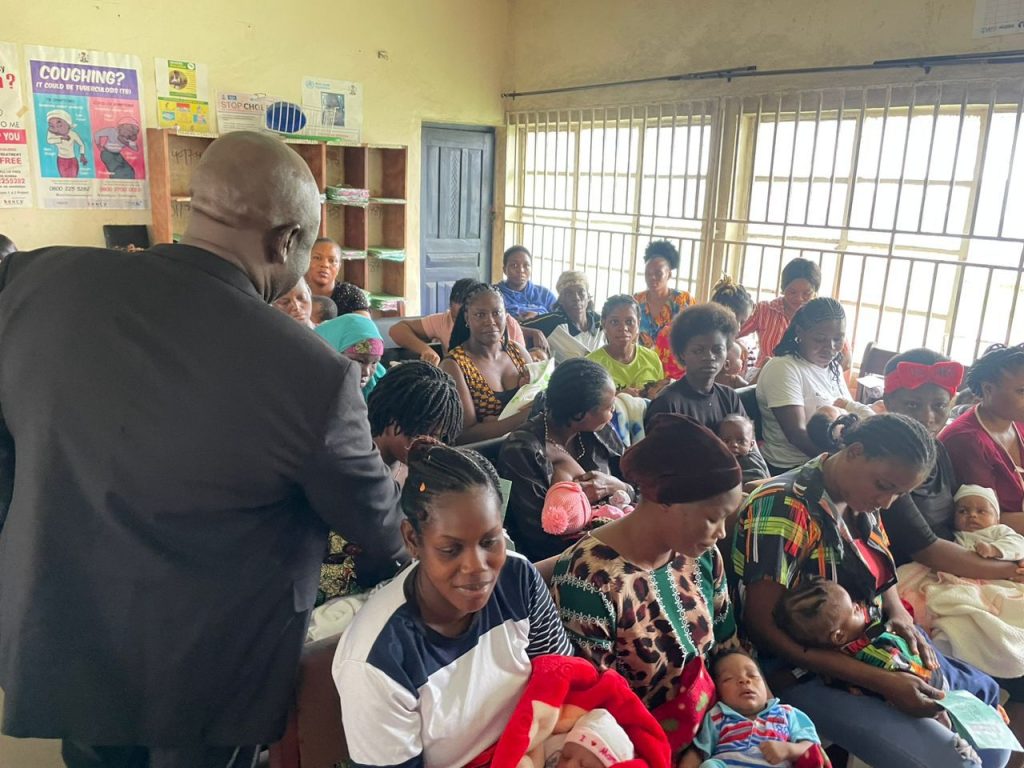
The Commissioner stressed that exclusive breastfeeding within the first six months of life not only strengthens a child’s immunity but also fosters physical and mental development. He emphasized the need for sustainable support systems at the household, community, and institutional levels to encourage mothers to breastfeed effectively. “Our mothers need support, from their husbands, families, communities, and health workers. This is a shared responsibility,” he added.
,aw f“Even traditional leaders and community influencers must help encourage and support pregnant and nursing mothers.”
Dr. Ayuk reaffirmed that Governor Bassey Otu’s administration is committed to enhancing maternal and child health through improved antenatal services, community health education, and the rehabilitation of health facilities across the State.
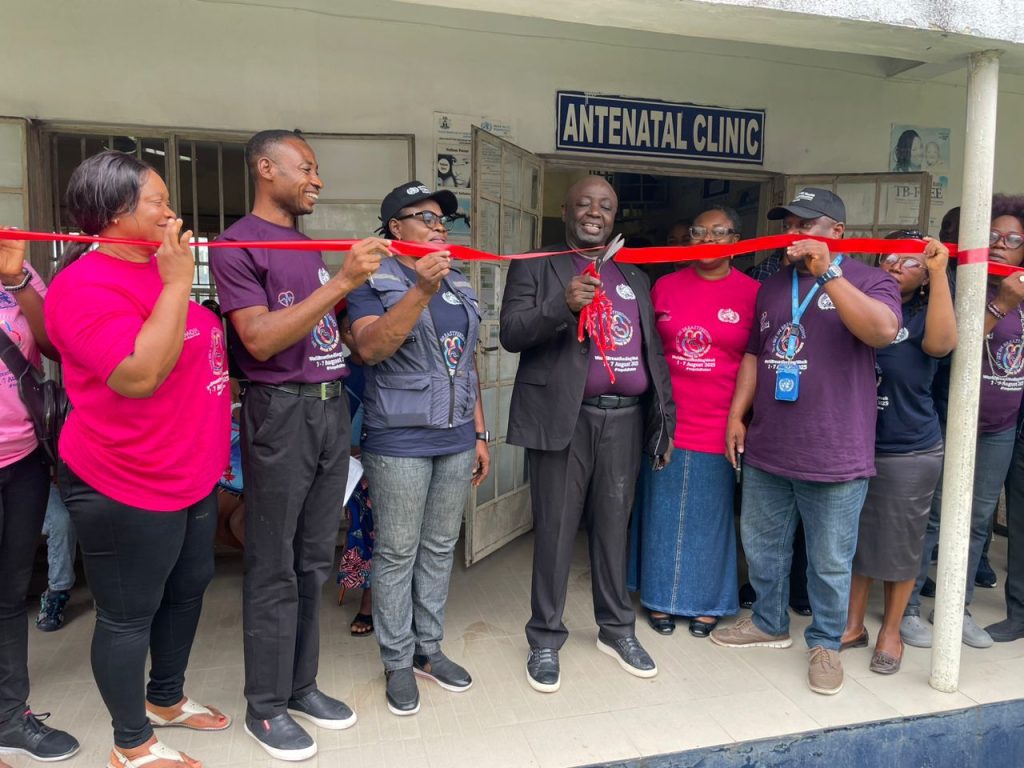
“His Excellency is deeply concerned about the wellbeing of mothers and children,” the Commissioner said. “We’re not just promoting breastfeeding; we are building a supportive environment for it through better infrastructure, training, and community involvement.” He also highlighted the importance of addressing harmful practices, misinformation, and neglect that hinder optimal breastfeeding.
The Commissioner called on families and communities to become active partners in the campaign, noting that cultural attitudes, spousal encouragement, and access to accurate information are key to breastfeeding success. “We must engage everyone — men, women, youth, elders. Everyone has a role in ensuring that mothers feel supported and empowered to breastfeed,” he said.
While using humour and local expressions to connect with his audience, Dr. Ayuk warned against misinformation and cultural taboos that sometimes discourage breastfeeding, stressing that such attitudes pose risks to child survival and wellbeing.
Also speaking, Dr. Obogo Simon Idoko, the Nutrition Focal Person in the State Ministry of Health, emphasized that fathers and male partners have a vital role to play in ensuring breastfeeding success. “Men can be powerful allies in promoting breastfeeding,” Dr. Idoko said. “They can offer emotional support and encouragement to breastfeeding mothers, helping them feel confident and motivated.”
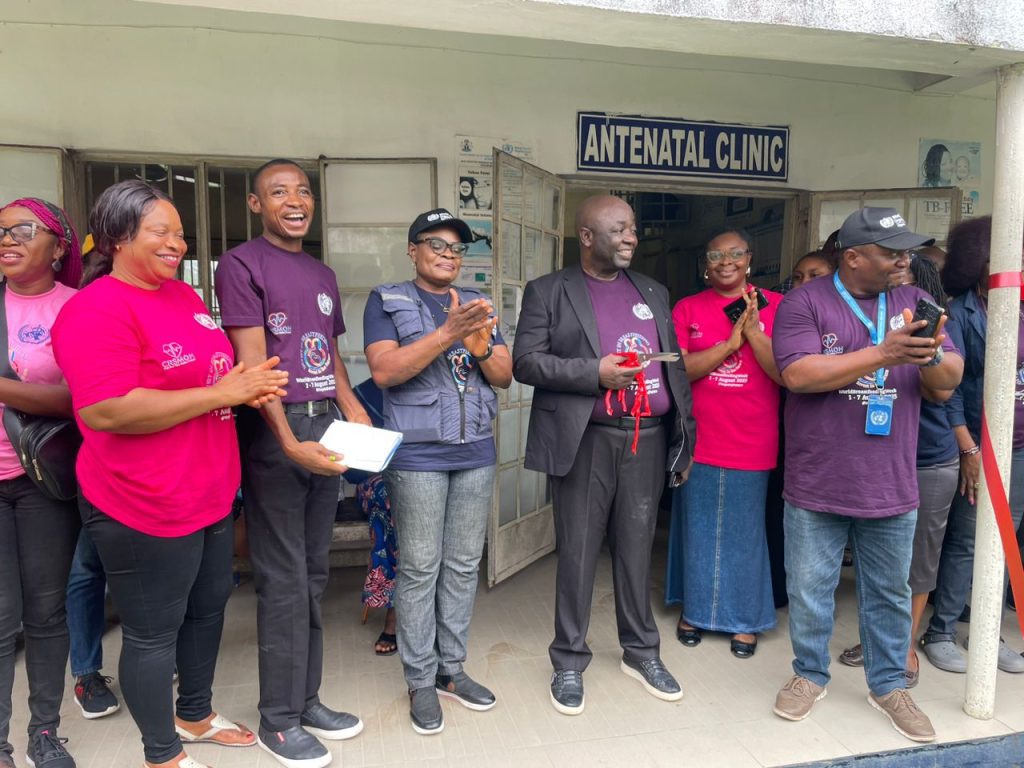
He explained that men can contribute meaningfully by assisting with household chores and childcare to reduce the mother’s workload, learning about breastfeeding benefits, challenges, and solutions to better support their partners, and helping to create a breastfeeding-friendly environment at home and in public. He also stressed that promoting a culture that values and supports breastfeeding as a norm, not an exception, can significantly improve breastfeeding rates and maternal wellbeing.
As part of the week’s activities, the Ministry of Health will carry out sensitization campaigns, health talks, and community engagements across the State to educate the public on the benefits of breastfeeding and the need for societal support.
Source: MARIA EWA, CALABAR