UYO – June 19, 2025
As Nigerians joins the rest of the world to mark this year’s Sickle Cell Day, the National Orientation Agency (NOA) in Akwa Ibom State has advised against high-risk marriages, particularly between individuals with incompatible genotypes such as AS/AS, AS/SS, or SS/SS.
Mr Mkpoutom gave the advise at a media engagement held in Uyo, the Akwa Ibom state capital, aimed at raising awareness about the growing burden of Sickle Cell Disease (SCD) in Nigeria.
Speaking at the event, the Akwa Ibom State Director of NOA, Mr. Mkpoutom Mkpoutom, emphasized the need for genotype compatibility as a frontline defence in the fight against the disease. He described high-risk marriages as “avoidable tragedies” that continue to contribute to the suffering of children born with SCD.
He said “We must put the future of our children first,”. “Couples must check and match their genotypes before marriage. The cost of ignorance or silence is too high. It is children born into pain, lifelong complications, and in many cases, early death.”
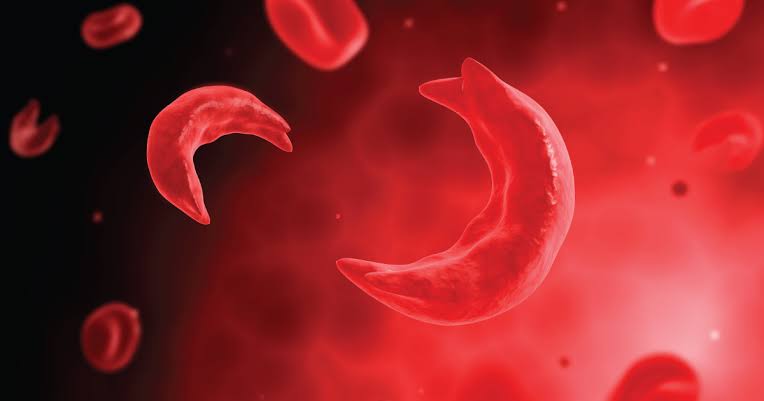
Sickle Cell Disease is a genetic blood disorder caused by the inheritance of abnormal hemoglobin genes from both parents. The condition alters the shape of red blood cells into a sickle or crescent form, leading to blockages in blood flow, severe pain episodes (sickle cell crises), and damage to vital organs. Nigeria has the highest burden of SCD in the world, with about 150,000 affected babies born annually.
The Akwa Ibom State Director of NOA, Mr Mkpoutom, urged parents, teachers, and religious leaders to speak openly about genotype compatibility in homes, schools, and worship centers, describing silence on the issue as “a killer.”
He also directed the 31 Local Government Area Community Orientation and Mobilization Officers in the state to take the campaign to the grassroots without delay.
“With knowledge, compassion, and early care, we can wage and win the war against Sickle Cell Disease,” he said.
Also speaking at the event, Head of the Department of Community Safety, Awareness, and Compliance at NOA Akwa Ibom State, Mrs. Nsidibe Udotte, highlighted that while Sickle Cell Disease is a lifelong condition, it is not a death sentence.
“With proper medical care, support, and healthy lifestyle changes, individuals living with Sickle Cell can live long and fulfilling lives,” she said. “But we must first prevent new cases by making informed decisions about marriage and reproduction.”
World Sickle Cell Day, observed every June 19, is set aside to raise global awareness of Sickle Cell Disease and to encourage steps that improve the quality of life for those living with the disorder.