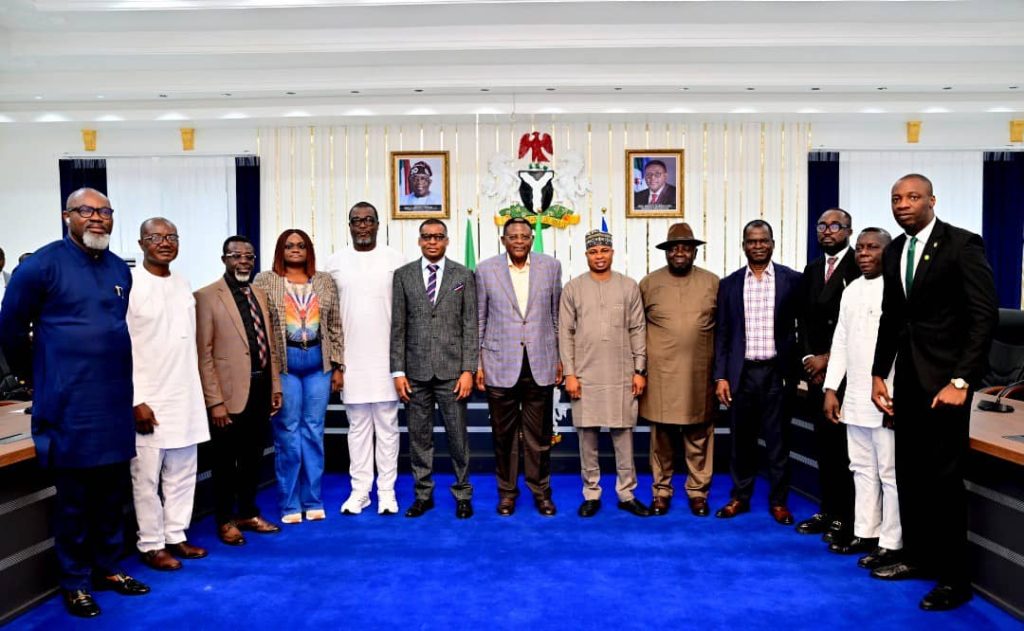
As part measures to revitalize the healthcare system and address the rising tide of medical brain drain, Governor Bassey Otu of Cross River State has announced plans to extend the retirement age for medical doctors in the State from 60 to 65 years.
Governor Otu made this known while addressing the national executives of the Nigerian Association of Resident Doctors (NARD), who are currently in Calabar for their July National Executive Council (NEC) meeting.
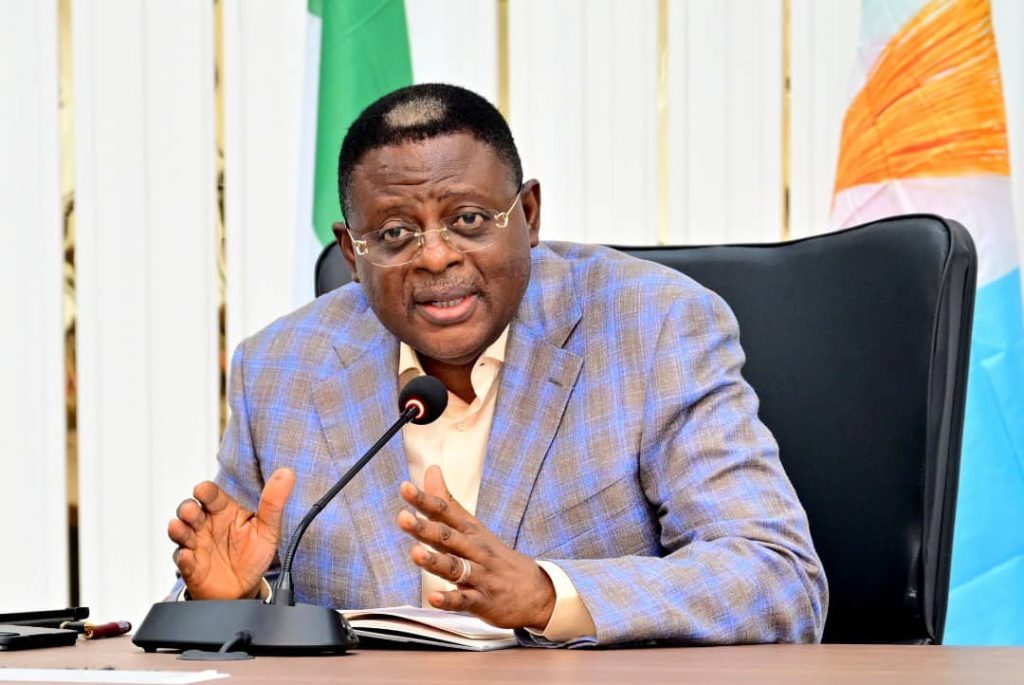
The Governor stated that the move would help to retain institutional memory, sustain mentorship for younger professionals, and ensure continuity in service delivery.
“In view of the realities we face, especially the critical shortage of experienced hands, we are seriously considering reviewing the retirement age for doctors from 60 to 65 years,” Governor Otu said.
The Governor emphasized that beyond policy frameworks, the success of the health sector lies in upholding ethical standards and professional discipline. He maintained that when doctors adhere to these values, it fosters public trust and serves as a bulwark against the growing trend of emigration by skilled professionals.

“The medical profession requires both ethical commitment and professional excellence. When these are upheld, they inspire confidence in our healthcare system and reduce the loss of our best minds to other countries,” he noted.
Governor Otu outlined the administration’s phased approach to healthcare reform, beginning with a revitalization of the primary healthcare system, which he described as the frontline of care for the majority of citizens.
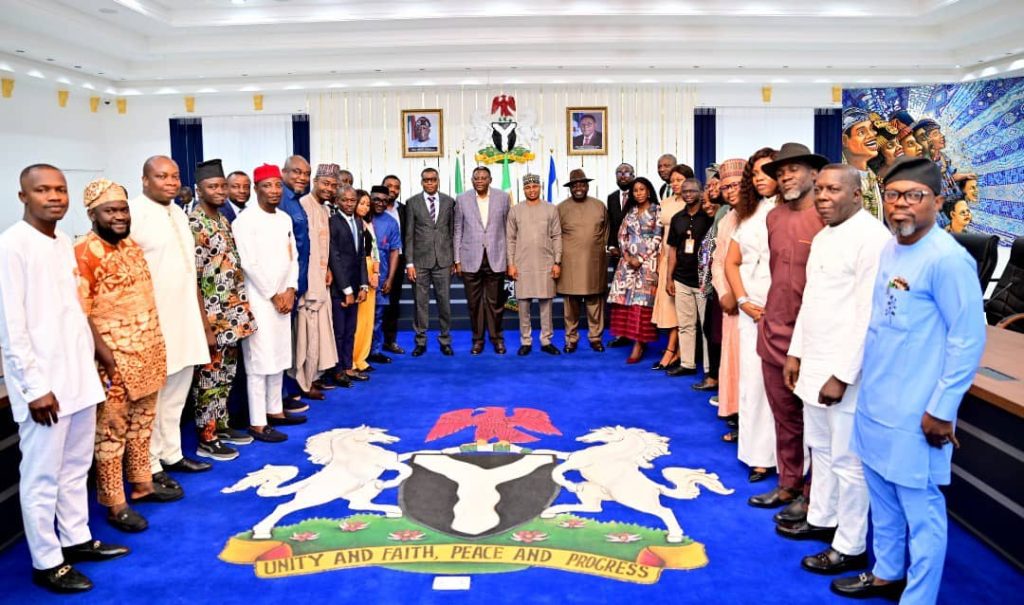
He reassured stakeholders that secondary and tertiary healthcare facilities are not being overlooked, explaining that strategic investments are being directed across all levels.
“We began with primary healthcare because it is the first point of contact for most of our people. But our vision is comprehensive—we are building a resilient health system from the ground up,” he elaborated.
The Governor expressed appreciation to medical professionals in the State for their steadfastness, compassion, and resilience in serving the people. He also appealed for patience and cooperation from all stakeholders as his administration strives to balance competing developmental priorities.
“We are fully committed to healthcare, but we must also make progress in education, agriculture, and infrastructure. We seek understanding and constructive engagement in addressing sectoral needs,” he said.
On remuneration, Governor Otu reaffirmed his administration’s gradual implementation of improved salary structures, including the recent approval of 70 percent of the Consolidated Medical Salary Structure (CONMESS). He assured doctors that additional adjustments are on the horizon.
“This administration is laying the foundation for a sustainable healthcare ecosystem. While we may not fix everything at once, we are moving deliberately, with purpose and compassion,” the Governor stated.
Responding, the Vice President I of the Association, Dr. Abdulrauf Tajudeen, commended the Governor for the CONMESS implementation and for fostering an enabling environment for healthcare professionals.
He urged the State to push towards full parity with federal pay scales in order to reduce internal migration.
“We appreciate your progressive steps so far, but attaining full salary parity will greatly improve retention and morale among our members,” Dr. Tajudeen said.
Also speaking, the Chairman of the Cross River State chapter of the Association of Resident Doctors, Dr. Emmanuel Ogar, also called for fair remuneration, improved working conditions, and enhanced support systems as they would be effective in recognizing and retaining healthcare professionals. He thanked the Governor for his unwavering support and sponsorship of the NEC meeting and extended an invitation for him to attend the weeklong event as Special Guest of Honour.
On his part, the State Chairman of the Nigerian Medical Association (NMA), Dr. Ezoke Epoke, praised the Governor Otu administration for clearing inherited salary arrears, supporting medical outreach initiatives, and introducing a bill to establish a State Hospital Management Board.
He described the proposed board as a critical mechanism for ensuring quality assurance, streamlined staffing, and improved healthcare governance across secondary facilities.