As preparations for the 2027 general election gather momentum, the Independent National Electoral Commission (INEC) is stepping up efforts to ensure no group is left behind.
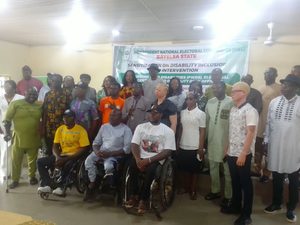
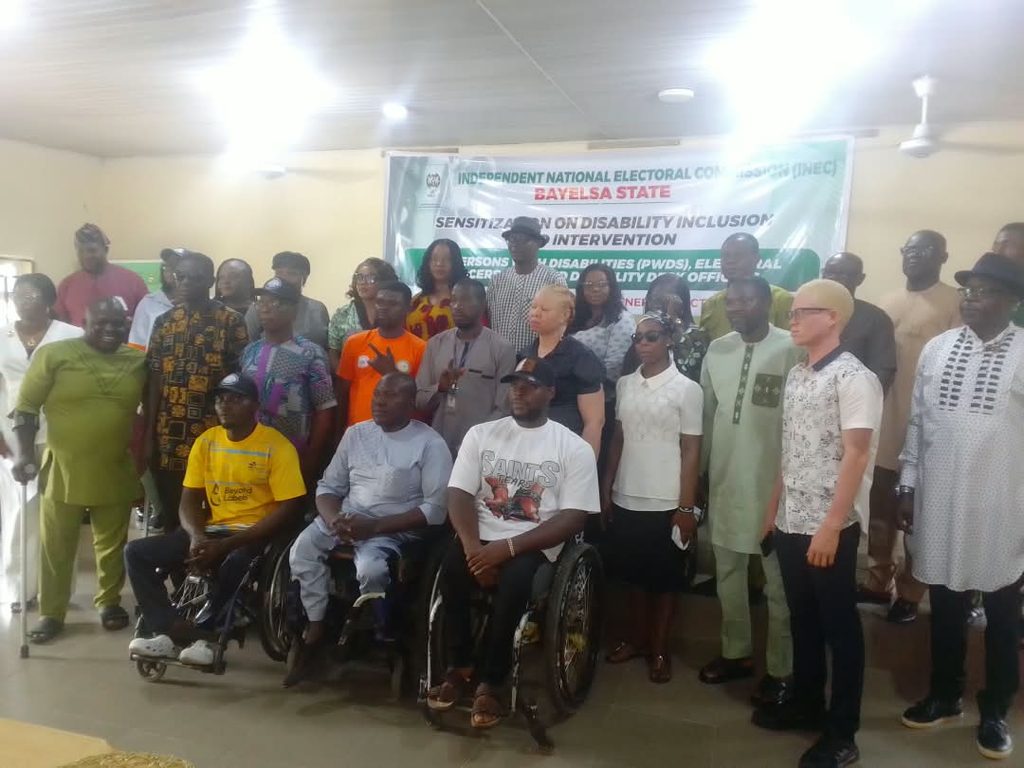
To this end, the electoral body has organised a sensitization programme focused on inclusion and intervention for Persons Living with Disabilities (PWDs) in Bayelsa State.
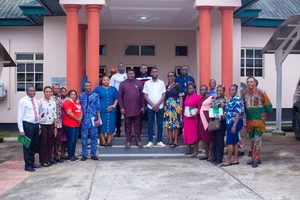
The event, held at the Professor Mahmud Yakubu Media Centre within the INEC State Headquarters in Yenagoa, brought together key stakeholders, including electoral officers, disability desk officers, and members of the civil society.
Declaring the programme open, the Resident Electoral Commissioner (REC) in Bayelsa State, Mallam Isah Ehimeakhe, emphasized that the initiative is designed to guarantee equal opportunities and full electoral inclusivity for vulnerable groups.
“People who are living with disabilities… also have every right which every other person has to exercise their franchise as it comes to election matters. We recognize them because they are also human beings like us, and they also have the qualifications which we all have. It’s targeting inclusivity; special arrangements are being made for them.” Ehimeakhe said.
Speaking on behalf of the national body, the resource person from the Gender and Inclusivity Department at INEC Headquarters, Abuja, Julie Osezua, stressed that achieving a truly accessible and participatory democracy depends heavily on the active participation of PWDs as voters, candidates, and election personnel.
“Disability inclusion cannot be achieved by INEC alone. It requires collective effort of disability organizations, civil societies, and PWDs themselves to ensure information reaches beneficiaries and challenges are addressed.” Osezua noted.
In a goodwill message, the State Director of the National Orientation Agency (NOA), Mrs. Olobio Ebiakpo, called for collaborative synergy among political parties, security agencies, and stakeholders to remove barriers and provide accessible polling units.
“I call on INEC, political parties, security agencies, civil society organizations, the media and other stakeholders to work collaboratively to provide accessible polling units, inclusive voter education, appropriate assistance, and equal opportunities for political participation”, the NOA State Director asserted.
In a response on behalf of the participants, the Chairman of the Joint Association of Persons with Disabilities (JONAPWD), Bayelsa State Chapter, Egbomokumor Doutimiareye commended INEC for prioritizing PWDs through inclusive policies and the provision of assistive voting devices. However, he appealed for expanded support to address lingering challenges.
“When we talk about the institutions that are inclusive, INEC is the number one in terms of taking persons with disability along. In the past, INEC has made provision for priority voting, making sure that accessible devices were given to persons with disability. But even though they are inclusive, there are still some areas that INEC needs to address” Doutimiareye stated.
The sensitization workshop later featured technical sessions that drilled deeper into INEC’s framework on disability policies, accessibility measures, and the proper deployment of assistive voting technologies.