Over 30 children screened as experts’ train persons with disabilities in modern farming
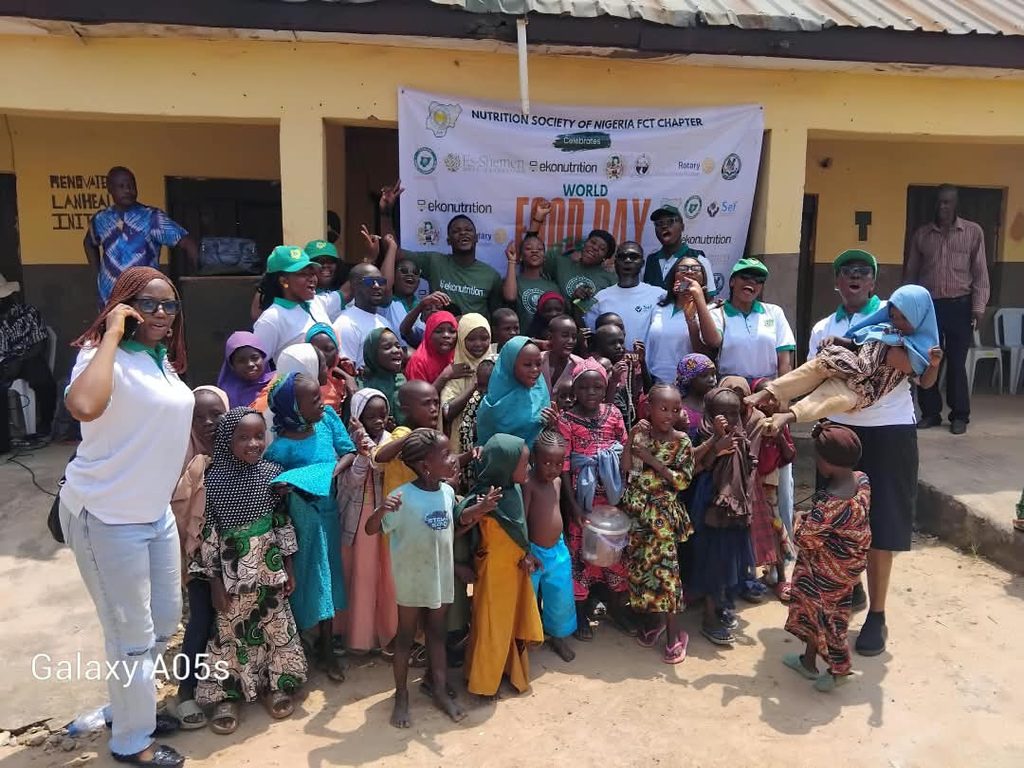
The Nutrition Society of Nigeria (NSN), FCT Chapter, has taken its fight against malnutrition to Karonmajiji, a hard-to-reach community in Abuja, with a grassroots outreach providing nutrition education, health checks, food items and modern farming skills to vulnerable families.
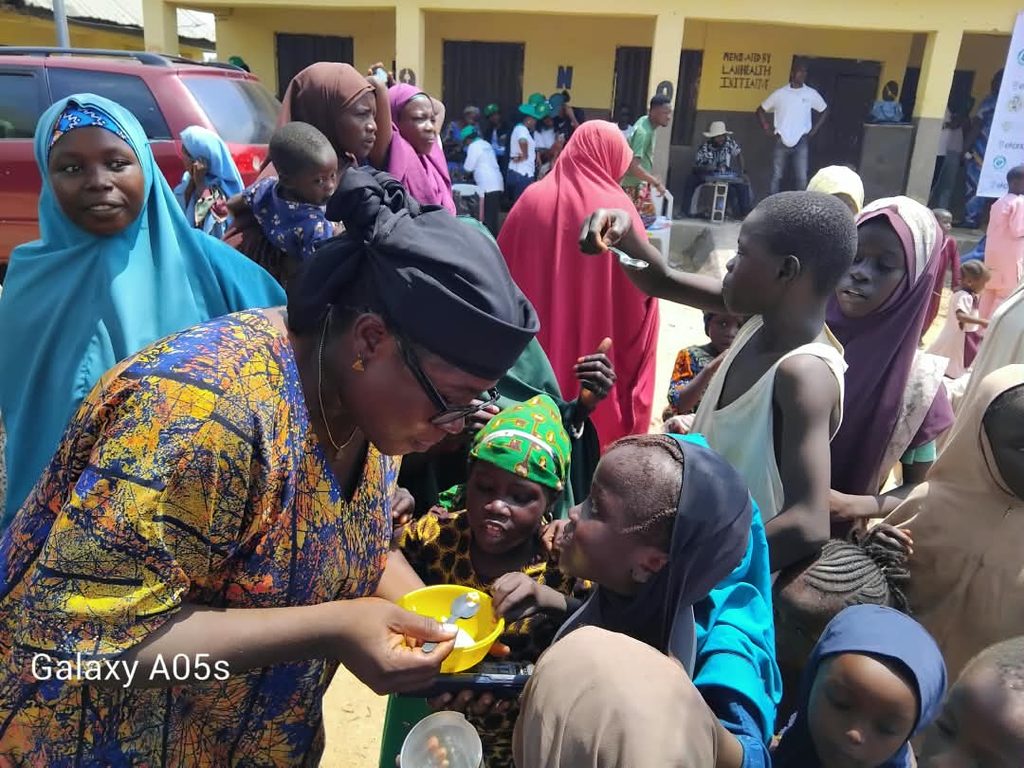
The outreach, held on Friday to mark the 2026 World Food Day, was organised in partnership with the Rotary Club of Guzape, Es Shemen Hope Foundation, CS-SUNN FCT Chapter, EkoNutrition, SEF and other organisations.
Speaking at the event, the Chairman of NSN FCT Chapter, Major Edith Ogheneovo Nwachinaemere (Rtd.), said the choice of Karonmajiji was deliberate, as the society sought to reach people who often miss out on essential nutrition and health interventions organised in city centres.
She said the initiative was aimed at tackling malnutrition, particularly among children under five, while empowering mothers and vulnerable households with practical knowledge to improve their families’ nutrition and livelihoods.
Nwachinaemere explained that the society had consistently organised community outreaches featuring nutrition counselling, food preparation demonstrations using locally available ingredients and the distribution of food items to mothers and pregnant women.
She noted that this year’s programme went a step further by taking the intervention to a community predominantly occupied by persons with disabilities, many of whom face difficulties accessing essential services.
Announcing the outcome of the child nutrition screening, she said more than 30 children were tested, with only a few cases of moderate malnutrition identified and no severe or acute cases recorded.
She, however, pledged that the society would intensify its efforts until malnutrition was significantly reduced and eventually eradicated in the FCT.
The NSN FCT chairman said the programme also focused on equipping families with sustainable ways to produce nutritious food at home, stressing that access to food, proper nutrition education and practical farming skills were essential to building healthier communities.
In his remarks, the Head of the Association of Persons Living with Disabilities, FCT Chapter, Alhaji Suleiman Mohammed Katsina, represented by the association’s secretary, Malam Mohammed Dantani, thanked the organisers for extending the intervention to the community.
He said the gesture was particularly important at a time when many Nigerian families were struggling to afford food amid rising living costs.
Dantani urged members of the community to take advantage of the training and capacity-building opportunities provided to improve their livelihoods and become more self-reliant.
Also speaking, the Chairperson of the Association of Parents Living with Disabilities, Hajiya Fatima Abubakar, described the intervention as timely, especially for mothers living with disabilities who face additional challenges in providing for their families.
She said the demonstration of modern home gardening and the distribution of seeds would help participants move beyond traditional farming methods that rely heavily on hoes and cutlasses.
According to her, the new skills would enable families to grow vegetables more easily for household consumption and, where possible, for sale to generate additional income.
The partner organisations, in their separate goodwill messages, pledged to sustain similar interventions in underserved communities where nutrition support and livelihood assistance were urgently needed.
Activities at the outreach included nutrition education and counselling, basic health checks, consultations, demonstrations on preparing nutritious meals from locally available foods, modern home gardening and crop planting, as well as the distribution of food items and farm inputs.
The initiative reflected the theme of the 2026 World Food Day, “Innovate Today. Nourish Tomorrow,” through its emphasis on sustainable food production, practical nutrition education and backyard vegetable farming.
Organisers said the provision of seeds and training in accessible home gardening techniques would help persons with disabilities grow food throughout the year, improve household nutrition and create opportunities for small-scale income generation.
The outreach reinforced calls for greater investment in community-based nutrition programmes, with stakeholders stressing that the fight against hunger and malnutrition must reach vulnerable families wherever they live, rather than remain concentrated in urban centres.