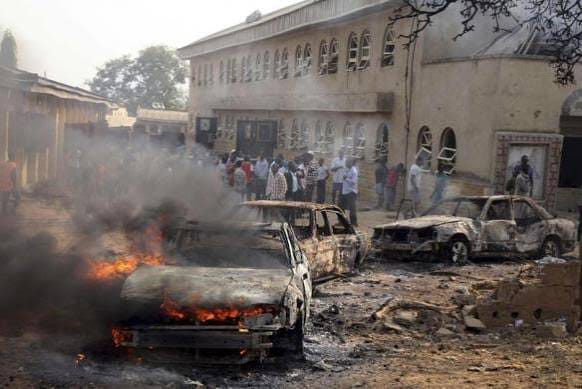
Terrorism has resulted in devastating consequences on humans leading to loss of lives and property, displacement of millions of persons, destruction of infrastructure as well as emotional and physical trauma.
As Nigeria joins the global community to mark the International Day of Remembrance of and Tribute to the victims of Terrorism, calls have intensified for the remembrance of people who died or suffered life altering injuries to help them live with dignity and safety.
Each year, August 21 is observed as the International Day of Remembrance of and Tribute to the Victims of Terrorism, to honor and support the victims and survivors of terrorism and to promote and protect the full enjoyment of their human rights & fundamental freedoms.
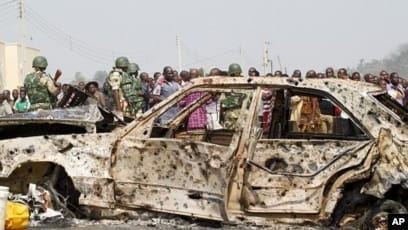
The Day was established in 2017 by a United Nations General Assembly resolution (72/165) to honor survivors and remember those who lost their lives to acts of terror as well as support victims and protect their human rights.
With the theme of the 2026 celebrations centred around the theme ‘Healing through Memory’ it highlights how preserving victims’ stories and honouring those who have been lost can uphold dignity, foster recognition and inspire hope, emphasizing the importance of ensuring that remembrance – including in digital spaces – is respectful, victim-centred and trauma-informed.
70 percent of deaths from terrorism occurred in only five countries: Pakistan, Burkina Faso, Nigeria, Niger, and the Democratic Republic of the Congo (DRC). Six of the ten countries most impacted by terrorism are in sub-Saharan Africa, now described as the global epicentre of terrorism.
Nigeria recorded the largest increase in 2025, with fatalities rising by 46 per cent to 750 as the Islamic State West Africa Province (ISWAP) and Boko Haram were responsible for 80 percent of all terrorism deaths in the country.
Nigeria ranked fourth globally in the 2025 Global Terrorism Index among countries most impacted by terrorism due to rising attacks with 750 terror linked deaths with 243 injured from 171 attacks.
Head of the Political Science Department at the Federal University, Otuoke, Professor John Kalama says Government should frontally tackle the menace and take care of victims of terrorism.
A Political Science Lecturer at the Niger Delta University, Amassoma, Mr. Micah Godbless says factors such as corruption, poor governance and primitive accumulation by leaders which create room for terrorism to thrive should be addressed in order to have a safer society especially through good governance and equitable distribution of resources as well as social welfare programmes and safety nets for vulnerable populations.
This year’s International Day of Remembrance of and Tribute to the victims of Terrorism will feature remarks by the United Nations Secretary-General, a Global Minute of Silence and the launch of a new victim-led initiative from the Victims of Terrorism Associations Network (VoTAN) to protect victims from online harms and re-traumatisation.